Where Does Your Construction Waste Go? A Look At Brisbane Recycling
Before the first excavator bucket hits the ground, there’s a quiet assumption built into most construction projects: once the rubble leaves site, it’s no longer your concern. Skip bins are loaded, trucks roll out and the job moves on. Yet behind that routine process sits a complex system that determines whether discarded material becomes a liability or a resource. In the middle of that system is concrete recycling, a practice reshaping how the construction industry thinks about waste, supply and sustainability. For landscapers, builders, tradies and homeowners tackling projects of all sizes, understanding where
construction waste goes is more than a point of curiosity. It affects costs, compliance, environmental impact and the quality of materials used in the next stage of work. From the moment old slabs are broken up to the point recycled aggregates are delivered back to site, every step has consequences for the industry as a whole.
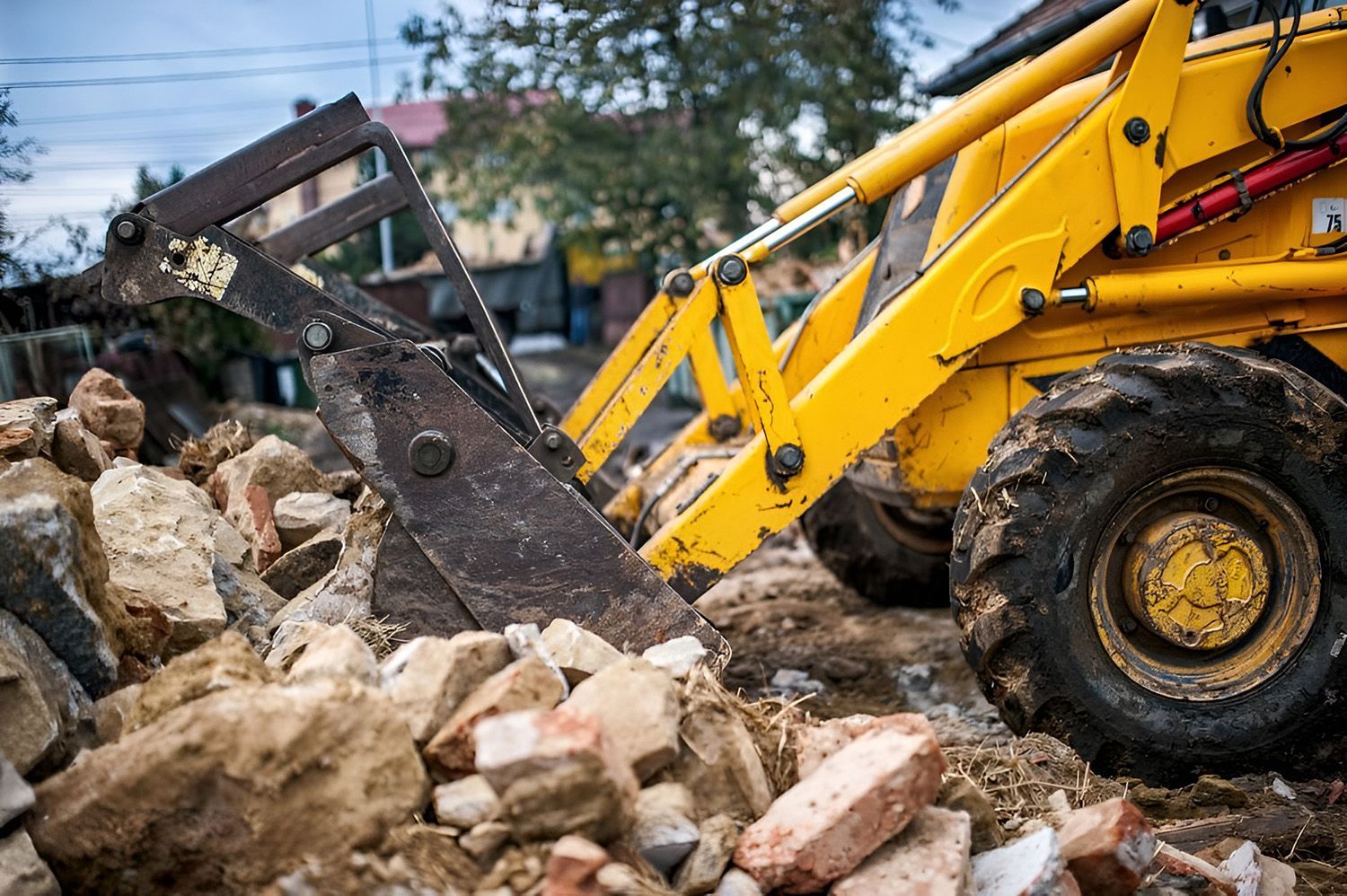
Construction Waste Does Not Simply Disappear
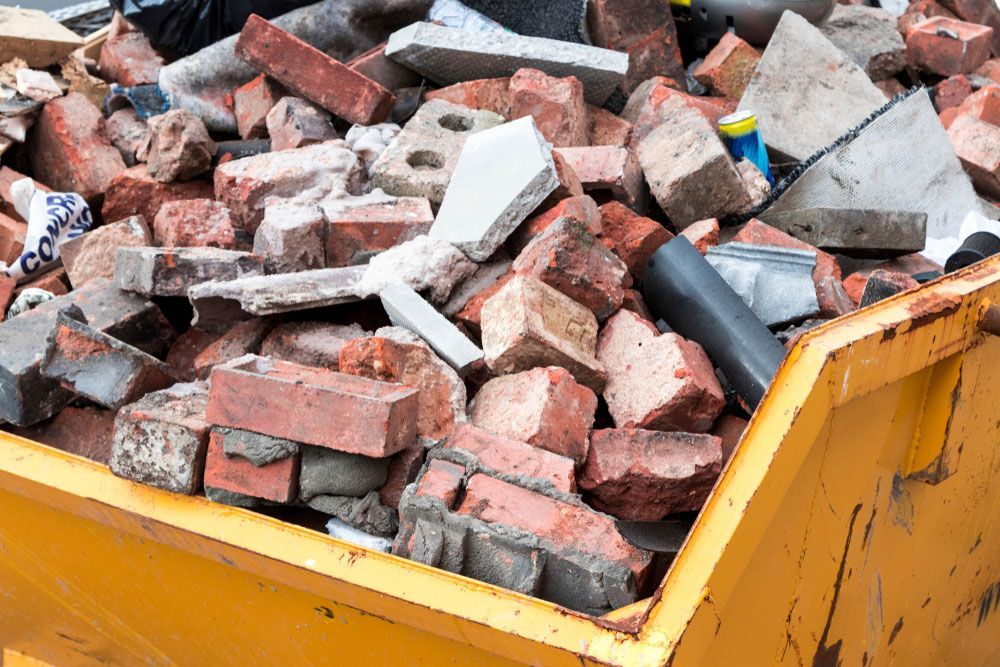
When demolition or renovation work wraps up, the debris begins a new journey rather than an end. Concrete, bricks, asphalt and other materials are transported to licensed recycling facilities instead of heading straight to landfill. On arrival, loads are inspected, weighed and assessed to determine how they will be processed. This early stage is crucial because contamination can reduce the efficiency of recycling operations and affect the quality of the finished product.
At a professional recycling facility, you can expect:
- Careful load assessment & sorting
- Separation of reusable materials
- Removal of contaminants such as timber or metal
- Stockpiling for controlled processing
This structured approach ensures materials are not wasted and that what returns to the market as recycled aggregate meets industry expectations.
What Happens To Concrete After It Leaves Site
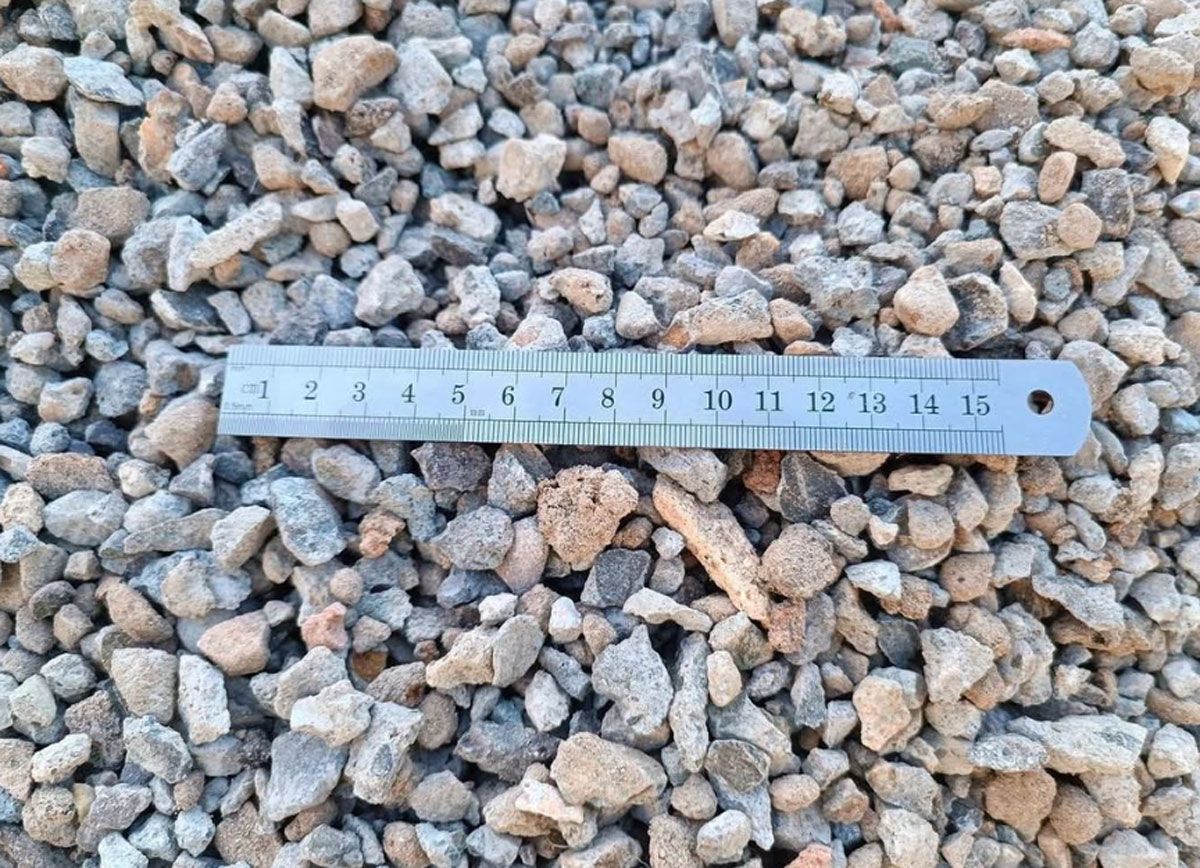
Concrete is one of the most common construction materials, which also makes it one of the most commonly discarded. Once delivered to a recycling yard, large concrete pieces are fed into industrial crushers. These machines break the material down into smaller fragments. The crushed material is then screened and graded to create different aggregate sizes suitable for various applications. Reinforcing steel is extracted during the process and sent for metal recycling.
The transformation involves:
- Primary crushing to reduce large slabs
- Secondary crushing for uniform sizing
- Screening into specified grades
- Removal & recycling of embedded steel
The result is a clean, reusable aggregate that can be supplied back to construction and landscaping projects as a reliable base material.
Why Concrete Recycling Matters To The Environment
Construction and demolition waste makes up a significant portion of landfill content. When concrete ends up buried, it represents not only wasted material but also wasted embodied energy. Recycling concrete reduces the need to extract and process new quarry materials. This lowers greenhouse gas emissions associated with mining, transportation and production.
Environmental advantages include:
- Reduced landfill volumes
- Lower demand for virgin quarry resources
- Decreased energy consumption in material production
- Reduced transportation emissions when sourced locally
By supporting concrete recycling in Brisbane, contractors and homeowners contribute to a circular system where materials are reused rather than discarded.
Recycled Aggregates & Modern Construction Standards
There is sometimes a misconception that recycled materials are inferior to virgin products. In reality, properly processed recycled concrete aggregates are widely accepted across construction applications. Quality-controlled recycling facilities test and grade materials to ensure consistency. Recycled aggregates are commonly used in road bases, driveways, pathways and under-slab preparation. For many structural and non-structural uses, they perform comparably to traditional quarry products when specified correctly.
Applications often include:
- Road & pavement sub-base
- Driveway foundations
- Backfilling & trench works
- Landscaping & retaining wall bases
Working with reputable concrete suppliers in Brisbane ensures the materials meet project specifications and regulatory requirements.
Cost Efficiency Without Compromising Quality
Material costs can significantly affect project budgets, especially on larger jobs. Recycled concrete aggregates often provide a more cost-effective alternative to newly quarried materials. Because the base resource already exists and does not require extraction from a quarry, production expenses can be reduced. These savings are frequently passed on to customers.
Financial benefits may involve:
- Lower material purchase costs
- Reduced disposal fees when recycling waste
- Potential savings on transport when sourced nearby
- Improved project sustainability credentials
For builders and landscapers managing tight margins, sourcing recycled aggregates can be a practical decision that supports both the bottom line and responsible practice.
Supporting A Circular Construction Economy
Every time recycled aggregate is used in place of virgin material, it closes part of the construction loop. Rather than operating on a take-make-dispose model, the industry can move towards a system where demolition waste becomes a resource for new builds. This shift requires coordination between demolition contractors, recycling facilities and concrete suppliers in Brisbane who understand both supply and demand.
Key elements of this circular approach include:
- Efficient collection & transport networks
- Advanced crushing & screening technology
- Reliable quality assurance processes
- Ongoing collaboration across the industry
By choosing recycled products, project managers actively participate in reducing overall waste generation.
Choosing The Right Concrete Aggregate Suppliers
Not all recycling operations are equal, and the choice of supplier can directly influence project outcomes. Reliable concrete aggregate suppliers in Brisbane invest in modern equipment, clear quality controls and transparent processes. They can provide documentation regarding material grading and compliance, which is particularly important for commercial or civil projects.
When selecting a supplier, consider:
- Range of available aggregate sizes
- Evidence of quality testing & standards compliance
- Clear pricing structures
- Capacity to handle both supply & waste intake
A supplier who manages both recycling and distribution offers a streamlined solution, allowing waste removal and material procurement to operate within the same system.
From Demolition To Delivery Back On Site
The lifecycle of concrete comes full circle when recycled aggregate is delivered to a new project. A slab removed from one property may return as the base for a driveway elsewhere. The efficiency of this cycle depends on coordinated logistics, proper processing and consistent demand from builders and landscapers.
This closed-loop journey typically involves:
- Collection of demolition material
- Transport to a recycling facility
- Crushing, screening & grading
- Distribution to new construction sites
Understanding this process gives project stakeholders greater confidence in specifying recycled materials and reinforces the practical value of concrete recycling in Brisbane.
Build Smarter With Responsible Material Choices
We at Barry’s Recycling work with builders, landscapers and homeowners across Brisbane and surrounding areas to ensure construction waste is managed responsibly and returned to the market as high-quality recycled aggregates. As experienced concrete aggregate suppliers Brisbane professionals rely on, we handle everything from waste intake to the supply of graded materials suitable for a wide range of applications. If you are planning a landscaping project, driveway installation or larger construction work, we encourage you to contact us to discuss your material needs. Call our team or book a service to learn how recycled aggregates can support your project while reducing waste and environmental impact.