Key Questions To Ask Before Booking Bulk Aggregate Delivery
Bulk aggregate delivery is often one of the first practical steps in a construction, landscaping or civil project. It sets the groundwork for everything that follows, whether that involves preparing a stable base, improving drainage or shaping the final surface of a space. While placing an order may seem straightforward, small oversights at this stage can lead to delays, additional costs or unsuitable materials on-site.
Taking the time to ask the right questions before confirming a delivery can help avoid these issues. From selecting the correct material to understanding how delivery will work in practice, each detail contributes to how smoothly the project progresses. With a clear plan in place, it becomes easier to coordinate materials, timelines and site conditions without unnecessary disruption.
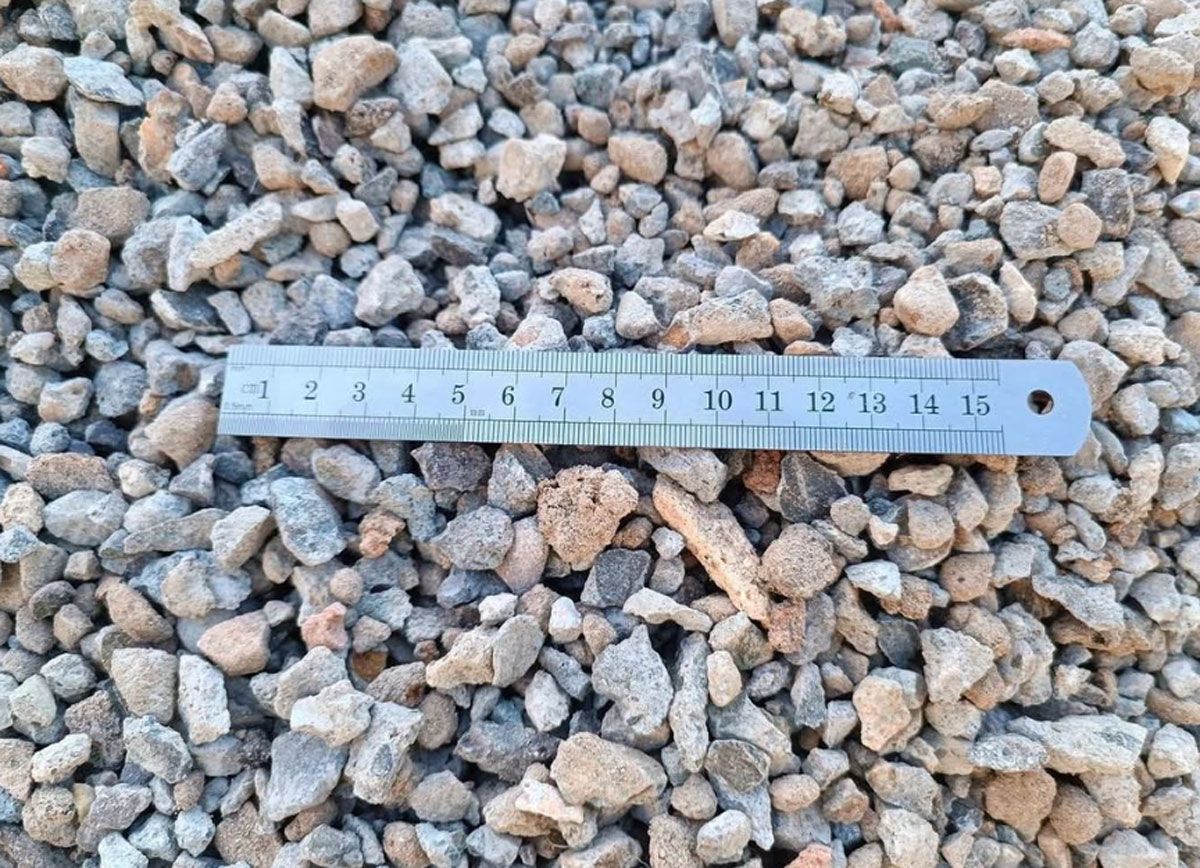
What type of aggregate do you actually need for your specific project?
Choosing the correct aggregate is one of the most important decisions before booking delivery. Different materials are designed for different purposes, and using the wrong type can affect how the project performs over time.
Common aggregate uses include:
- Road base for driveways, pathways and structural foundations
- Drainage gravel that allows water to pass through efficiently
- Decorative stone for landscaping and surface finishes
- Recycled aggregates for fill, levelling and general construction use
Each material has different properties, including particle size, strength and drainage capability. Matching these characteristics to the project helps create a more suitable foundation or surface.
For those arranging aggregate delivery in Brisbane, clarifying the intended application at the start can help ensure the material delivered aligns with project requirements.
Have you confirmed the correct grading and material specifications before ordering?
Aggregate grading refers to the size and distribution of particles within the material. This directly influences how the aggregate compacts, drains and performs under load. Even if the material type is correct, the wrong grading can affect the outcome.
Key factors to review include:
- Particle size range and uniformity
- Compaction requirements for structural applications
- Drainage characteristics for landscaping or water management
- Any relevant specifications for construction or engineering work
For example, a tightly graded material may compact well for a base layer, while a more open grading may be better suited to drainage. Confirming these details before delivery reduces the risk of needing to replace or adjust materials later.
Understanding specifications is particularly important when working on larger projects where compliance requirements may apply.
How much material should you order to avoid shortages or excess waste?
Accurate quantity estimation helps maintain project flow and avoid unnecessary handling of excess material. Ordering too little can halt progress, while ordering too much may create storage issues or additional disposal work.
When calculating volume, consider:
- The total surface area being covered
- Required depth for the specific application
- Compaction factors that may reduce final volume
- Variations in ground level or site conditions
It is also useful to allow for a small margin, particularly on uneven sites. However, this should be balanced to avoid significant over-ordering.
For projects relying on Brisbane aggregate supplies, planning quantities carefully supports a more efficient delivery schedule and helps reduce unnecessary costs or delays.
Is your site accessible for bulk delivery vehicles and unloading equipment?
Delivery logistics are often overlooked until the day the material arrives. Bulk delivery vehicles require suitable access to reach the site and unload safely. Without proper preparation, this can lead to delays or the need for alternative arrangements.
Important access considerations include:
- Width and condition of driveways or entry points
- Turning space for larger trucks
- Ground stability to support heavy vehicles
- Clearance from structures, fences or overhead lines
In some cases, limited access may require smaller loads or staged deliveries. Preparing the site in advance helps avoid complications and allows the material to be placed as close as possible to where it is needed.
Clear communication with the supplier about site conditions can help prevent issues on delivery day.
What are the delivery timeframes and scheduling requirements for your project?
Timing is an important part of coordinating aggregate delivery with the rest of the project. Materials need to arrive when they can be used, rather than sitting on-site for extended periods or arriving too late to maintain progress.
Key scheduling considerations include:
- Lead times for specific materials or quantities
- Availability of delivery slots during peak periods
- Coordination with contractors, machinery or labour
- Weather conditions that may affect delivery or placement
Planning delivery around these factors helps maintain workflow and reduces the risk of interruptions. It also allows flexibility if changes are required due to site conditions or project adjustments.
Having a clear delivery schedule supports better coordination across all stages of the project.
Are there minimum load sizes or delivery conditions you need to be aware of?
Bulk aggregate suppliers often operate with minimum load requirements or specific delivery conditions. Understanding these requirements helps ensure your order aligns with how deliveries are managed.
Common conditions may include:
- Minimum order quantities for delivery
- Load size limits depending on truck capacity
- Distance-based delivery considerations
- Requirements for safe unloading areas
These factors can influence both cost and logistics. For smaller projects, it may be necessary to adjust order size or consider shared deliveries where available.
Being aware of these requirements before booking helps avoid unexpected changes and allows for better planning.
How does pricing work for bulk aggregate delivery and what factors affect cost?
Pricing for bulk aggregate delivery is influenced by several variables. Understanding how these factors interact can help with budgeting and comparing options.
Typical pricing considerations include:
- Type and quality of aggregate material
- Quantity ordered and load size
- Distance between the supplier and the site
- Access conditions that may affect delivery time
Additional factors such as multiple deliveries or specialised materials may also influence cost. Clarifying these details early provides a clearer picture of overall expenses.
This allows project managers and property owners to plan more effectively and avoid unexpected costs during later stages.
Is the supplier able to provide consistent material quality and reliable service?
Consistency in both material quality and service can influence how smoothly a project progresses. Variations in aggregate can affect compaction, drainage and overall performance, particularly across larger areas.
Important considerations include:
- Consistency of material across multiple loads
- Ability to meet agreed delivery times
- Clear communication throughout the process
- Understanding of different project requirements
Reliable service helps maintain momentum on-site. When deliveries arrive as expected and materials meet requirements, it reduces the need for adjustments or delays.
Selecting a supplier that can provide consistent materials and dependable scheduling supports a more streamlined project from start to finish.
We at Barry's Recycling understand that projects across Brisbane often involve varying site conditions, tight schedules and the need for reliable material supply. From construction sites to landscaping work, coordinating aggregate delivery with the rest of the project is an important part of the process.
If you are planning a project and require aggregate delivery in Brisbane, we can assist with aggregate supplies suited to your needs. Get in touch to discuss your requirements and arrange delivery that aligns with your site conditions and project timeline.