Understanding Grading and Its Impact on Concrete Mix Design
Ask a concrete technician what separates a well-performing mix from a problematic one and grading will come up quickly. It is not the most visible aspect of concrete production, but it sits at the foundation of almost every mix design decision. Get it right and the mix is workable, strong and cost-efficient. Get it wrong and the consequences show up as excess cement consumption, shrinkage cracking or reduced durability.
This article explains what aggregate grading means in practice, how it influences concrete mix behaviour and what engineers and contractors can do to optimise their material selection.
What Aggregate Grading Actually Means in a Concrete Context
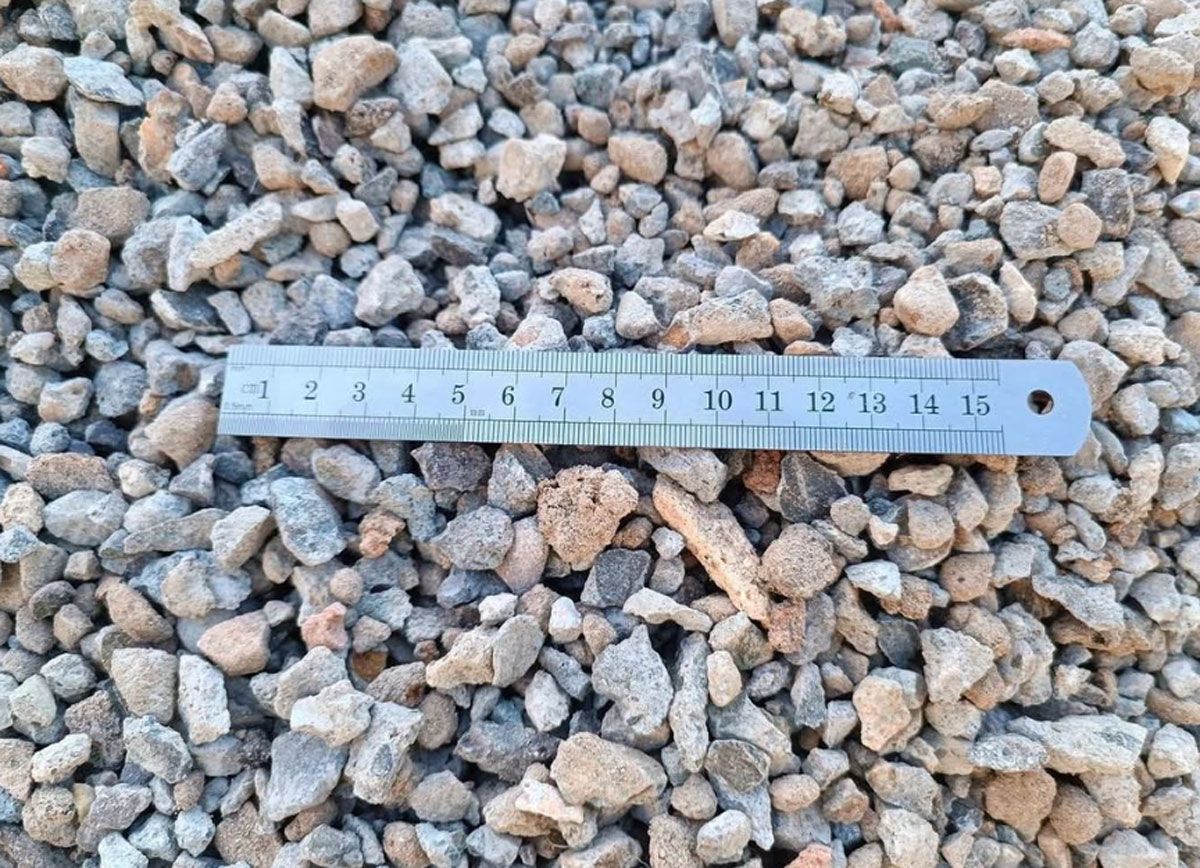
Grading refers to the distribution of particle sizes within an aggregate sample, whether sand, gravel or crushed stone. It is measured through sieve analysis, where a sample passes through progressively finer screens and retained material at each level is recorded. Key concepts to understand include:
- A grading curve plots the cumulative percentage of material passing each sieve size
- Well-graded aggregates contain a balanced range of particle sizes from coarse to fine
- Gap-graded aggregates are missing one or more intermediate size fractions
- Uniformly graded aggregates consist of particles that are all roughly the same size
Each distribution produces different behaviour in a mix, affecting water demand, compressive strength and workability.
Well-Graded Aggregates Improve Packing and Reduce Void Space
When particles are distributed across a wide range of sizes, smaller ones fill the gaps between larger ones, reducing total void space. Less void space means less cement paste is needed, which reduces cement content without sacrificing strength. The practical benefits include:
- Lower water-cement ratio requirements, improving long-term durability
- Reduced cement demand, lowering material cost and embodied carbon
- Better compaction under standard consolidation effort
- Improved dimensional stability with reduced shrinkage as the mix cures
For structural applications where strength and cost efficiency both matter, well-graded aggregate delivers on both counts.
Gap Grading Creates Specific Performance Characteristics Worth Understanding
Gap-graded mixes, where intermediate particle sizes are intentionally absent, are not inherently poor performers. In certain applications they are specified deliberately for the surface finish or structural characteristics they produce. Gap grading is used in situations including:
- Exposed aggregate finishes where consistent surface texture is the primary objective
- Some roller-compacted concrete applications requiring specific void structure
- Situations where available sources do not supply intermediate fractions economically
- Mixes where gap grading is compensated through adjusted paste content or admixtures
The primary risk is segregation during placement, particularly if the mix is too wet or not handled carefully during transport and compaction.
How Grading Influences Water Demand and Workability
Finer particles have significantly more surface area per unit of weight than coarser ones, so mixes with a higher proportion of fine aggregate require more water to achieve the same workability. This has direct implications for mix design:
- Increasing the fine aggregate fraction raises water demand and the water-cement ratio
- A higher water-cement ratio reduces compressive strength and durability
- Excess fines produce a sticky mix that is difficult to finish without adding water
- Too little fine aggregate creates a harsh, unworkable mix that consolidates poorly
Balancing the coarse-to-fine ratio starts with understanding the grading of each aggregate component.
Particle Shape and Surface Texture Work Alongside Grading
Grading describes particle size distribution, but shape and surface texture also influence how aggregates behave in a mix. These factors compound the effects of grading rather than operating independently:
- Angular crushed aggregates offer better mechanical interlock and bond strength with cement paste
- Rounded aggregates generally require less water for equivalent workability
- Flaky or elongated particles reduce packing efficiency and increase segregation risk
- Rough surface textures improve paste-aggregate bond but increase water demand slightly
Shape and texture should be considered alongside the grading curve when specifying aggregate for a particular application.
Grading Consistency Across Batches Is Critical for Structural Reliability
Designing a mix around a particular grading profile is only as useful as the consistency with which that grading is maintained across deliveries. Variability between batches requires constant mix proportion adjustments, introducing risk in quality-controlled environments. Sources of grading variability to monitor include:
- Natural variation within a quarry face as geology changes with depth
- Seasonal moisture changes that affect fine particle behaviour during processing
- Stockpile degradation where fines accumulate at the base and alter effective grading
- Crusher wear in processing plants, which affects the proportion of fines produced
Specifying aggregates from suppliers with consistent processing standards reduces the need for ongoing mix adjustments on site.
Recycled Concrete Aggregate Has a Distinct Grading Profile
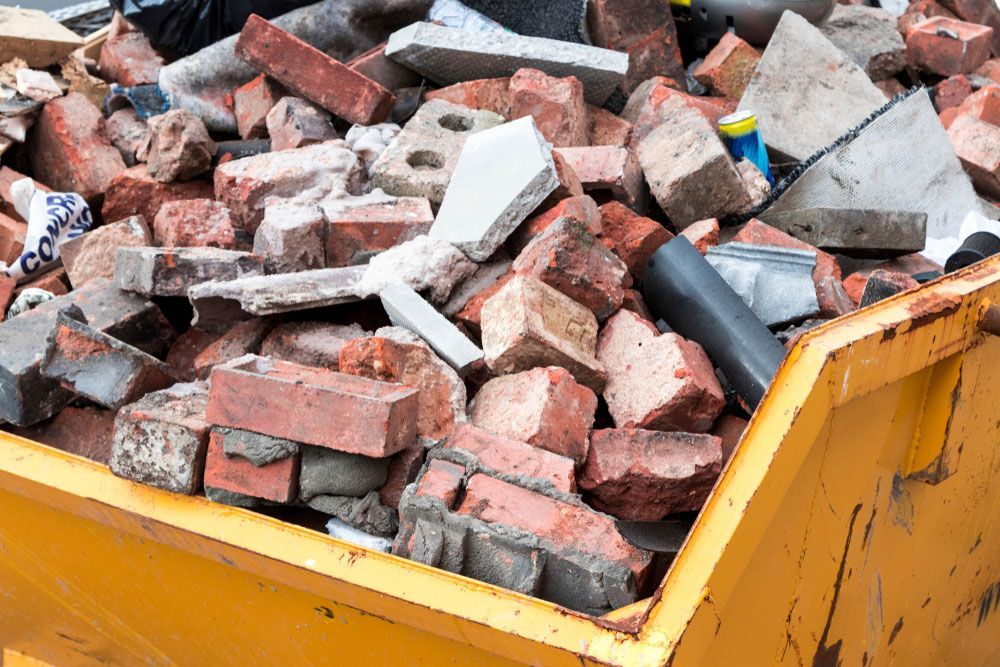
Recycled concrete aggregate, produced by crushing demolished concrete, behaves differently from virgin quarried material. Residual cement mortar attached to particles affects both density and absorption, influencing performance in a new mix. Key characteristics to account for include:
- Higher water absorption than virgin aggregate due to residual mortar porosity
- More variable grading between sources depending on the original concrete composition
- Lower density, affecting fresh mix unit weight and yield calculations
- Potential for increased shrinkage if mortar content is high relative to the aggregate fraction
Used with adjusted mix proportions, recycled aggregate can perform reliably across a range of non-structural and semi-structural applications.
Matching Aggregate Grading to Project-Specific Requirements
Different applications have different grading requirements, and a mix designed for a suspended slab performs very differently from one designed for a footpath or mass pour. Grading considerations by application type include:
- High-strength structural concrete requires tightly controlled grading with limited fines content
- Mass concrete benefits from larger maximum aggregate size to reduce heat of hydration
- Pumpable concrete requires sufficient fines to maintain cohesion through the pump line
- Architectural or exposed finishes specify grading based on the desired visual outcome
Selecting aggregate with the end application in mind produces more consistent and cost-effective results than defaulting to a general-purpose specification.
Speak to Our Team About Concrete Aggregate Supplies
We at Barry's Recycling supply processed aggregates to civil contractors, concreters and construction teams across South East Queensland. Brisbane's construction activity spans residential slabs and driveways through to civil infrastructure and commercial development, and aggregate requirements vary considerably across those project types.
Whether you are sourcing material for a structural pour or a bulk fill application, our concrete aggregate supplies are processed to consistent grading standards and available in the volumes project schedules require. As established concrete suppliers in Brisbane, our team can advise on the right product for your mix design needs. Get in touch to discuss your project and we will work through the right material options with you.