Managing Concrete Waste In High-Density Construction Zones
In dense urban construction environments, space is often the first constraint to be felt and the last to be resolved. A demolition stage that should be straightforward can quickly become complicated when concrete waste begins accumulating faster than it can be removed. Access points narrow, staging areas fill and compliance requirements add another layer of pressure on already tight schedules.
Managing concrete waste effectively in these conditions is not just about removal. It involves planning, coordination, recycling pathways and safe handling practices that align with project timelines and environmental obligations. When handled well, it supports smoother workflows and reduces unnecessary disruption across the entire site.
Understanding Concrete Waste Challenges in High-Density Construction Zones
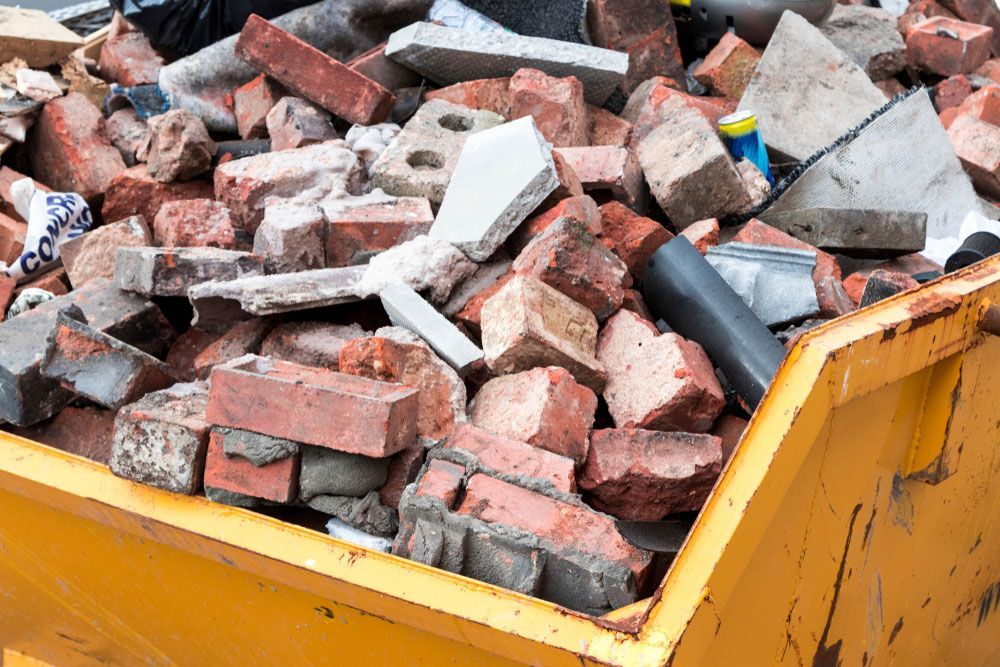
Concrete waste is one of the most significant by-products of demolition and structural modification in urban projects. In high-density areas, the challenge is amplified by limited space, shared access routes and proximity to other active developments.
Unlike greenfield sites, urban construction zones rarely offer room for stockpiling or delayed disposal. This creates a need for continuous movement of materials off-site while maintaining safety and compliance standards.
Key challenges include:
- Restricted space for temporary storage of rubble and debris
- Increased traffic congestion affecting haulage schedules
- Higher risk of site obstruction and reduced productivity
- Strict regulatory requirements for waste handling and tracking
These conditions require a structured approach to concrete waste management that prioritises timing, separation and reliable removal processes.
The Importance of On-Site Concrete Segregation
Effective waste management begins at the point of generation. On-site segregation of concrete from other construction materials reduces contamination and improves recycling outcomes.
When concrete is mixed with timber, plastics or general waste, it becomes more difficult to process and often leads to higher disposal costs. Clean separation supports more efficient recycling pathways and reduces unnecessary landfill contributions.
Practical segregation methods include:
- Dedicated bins or zones for concrete rubble
- Clear site signage to guide workers on sorting practices
- Training site teams on material separation requirements
- Routine monitoring to prevent cross-contamination
Proper segregation also supports smoother integration with services such as concrete recycling in Brisbane, where clean material streams are essential for processing and reuse.
Space Constraints and Staging Strategies for Urban Sites
Space management is one of the most critical elements in high-density construction zones. Without proper staging strategies, concrete waste can quickly disrupt workflow and create safety hazards.
Urban sites often require carefully planned layouts that account for machinery movement, pedestrian access and waste storage zones. Even small inefficiencies in layout can lead to bottlenecks.
Effective staging strategies may include:
- Designated loading zones positioned close to exit points
- Rotating collection points to avoid congestion buildup
- Use of compact containment systems for temporary storage
- Coordination of waste removal with peak activity schedules
These strategies help maintain a clear workflow while ensuring concrete waste does not interfere with ongoing construction activities.
Scheduling Timely Concrete Waste Removal to Avoid Delays
Timely removal of concrete waste is essential in maintaining productivity on constrained sites. Delays in collection can quickly result in blocked access routes, reduced working space and increased safety risks.
A structured scheduling approach ensures waste is removed before it becomes a disruption. This is particularly important in projects with continuous demolition or staged redevelopment phases.
Key scheduling considerations include:
- Aligning waste removal with demolition milestones
- Planning haulage during off-peak traffic periods
- Maintaining flexible pickup schedules for unexpected surges
- Coordinating with multiple subcontractors on site
Reliable scheduling also supports compliance obligations by ensuring waste does not accumulate beyond permitted thresholds.
Concrete Crushing and Recycling Solutions on Urban Projects
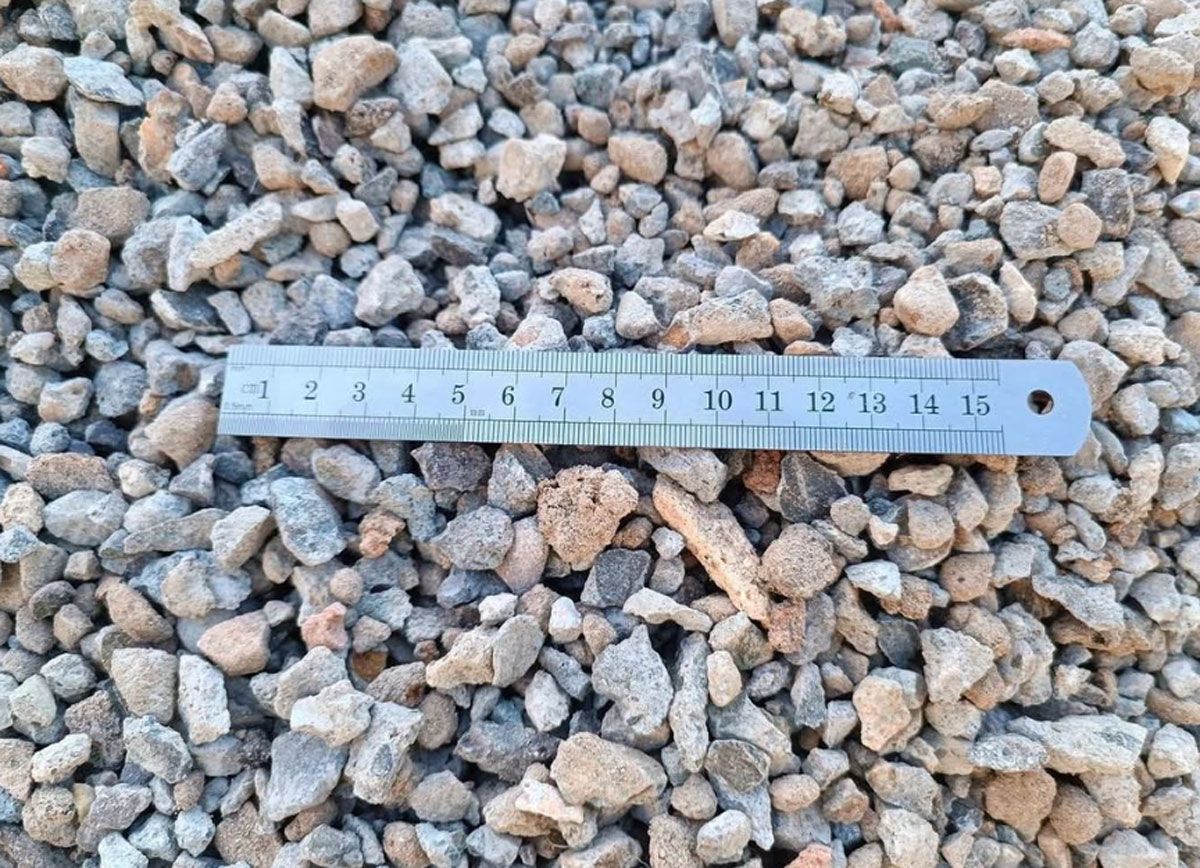
Recycling concrete on-site or through dedicated facilities is a practical solution for managing large volumes of material in dense construction environments. Crushing concrete reduces its volume and enables reuse in new construction applications.
This approach supports both sustainability goals and operational efficiency by reducing transport requirements and landfill dependency.
Common recycling applications include:
- Reuse as road base material in civil works
- Sub-base layers for pavements and infrastructure
- Aggregate for new concrete production
- Backfill material for structural foundations
Services such as concrete crushing play an important role in turning waste into usable resources, reducing the need for virgin materials and supporting circular construction practices.
Compliance, Safety and Environmental Requirements
Construction waste management is closely tied to regulatory compliance and environmental responsibility. In urban environments, these requirements are often more stringent due to proximity to residential and commercial areas.
Poorly managed concrete waste can lead to safety hazards such as trip risks, dust generation and obstructed emergency access routes. It can also result in penalties if disposal guidelines are not followed.
Key compliance considerations include:
- Adherence to local waste disposal regulations
- Accurate documentation of waste transport and processing
- Dust and runoff control during handling and crushing
- Safe loading and unloading procedures
Maintaining compliance is not only a legal requirement but also a practical necessity for uninterrupted project delivery.
Coordinating with Specialist Waste Management Contractors
Urban construction projects benefit significantly from working with specialist waste management contractors who understand the complexities of high-density environments. Coordination ensures that waste handling aligns with construction schedules and site constraints.
A well-integrated contractor can streamline logistics and reduce pressure on site teams by managing removal, processing and recycling efficiently.
Coordination typically involves:
- Integrated planning with project managers and supervisors
- Flexible service delivery to match site conditions
- Provision of suitable bins, skips and haulage solutions
- Reporting and tracking of waste streams for accountability
This collaborative approach helps maintain efficiency across all phases of construction.
Turning Concrete Waste into Reusable Material Streams
Concrete waste does not need to be viewed solely as a disposal challenge. With the right systems in place, it becomes a valuable input for other construction activities. Urban projects particularly benefit from closing the loop between demolition and rebuilding phases.
By diverting concrete from landfill and redirecting it into reuse streams, contractors can improve material efficiency and reduce environmental impact.
Common reuse pathways include:
- Processed aggregate for new infrastructure works
- Recycled base layers for transport projects
- Fill material for site preparation
- Drainage and landscaping applications
This approach supports long-term sustainability outcomes while improving cost efficiency across projects.
Take Control of Construction Waste
We at Barry’s Recycling understand the pressure that comes with managing concrete waste on tightly constrained construction sites. In fast-paced urban environments, timing, space and compliance all need to align to keep projects moving without interruption.
Our team works closely with contractors, developers and infrastructure crews across Brisbane to provide structured waste solutions that include haulage, crushing and recycling services. Whether you are managing demolition works or large-scale redevelopment, we help streamline material handling from start to finish.
If you are looking to improve site efficiency and strengthen your approach to concrete recycling in Brisbane, get in touch with us today to discuss how we can support your next project.