Waste Management Brisbane: How Compliant Clinical Waste Disposal Safeguards Your Business And Community
When you run a healthcare service, lab or clinic, waste is more than rubbish. It is a risk to people, operations and reputation. That is why
waste management in Brisbane for clinical and related waste is a compliance issue first and a logistics task second. The right process protects staff, patients and the broader community, and it keeps your business on the right side of inspections and audits. This guide explains what “compliant” really means in practice, the risks of cutting corners, and how a structured program turns a daily chore into a safety net for your organisation.
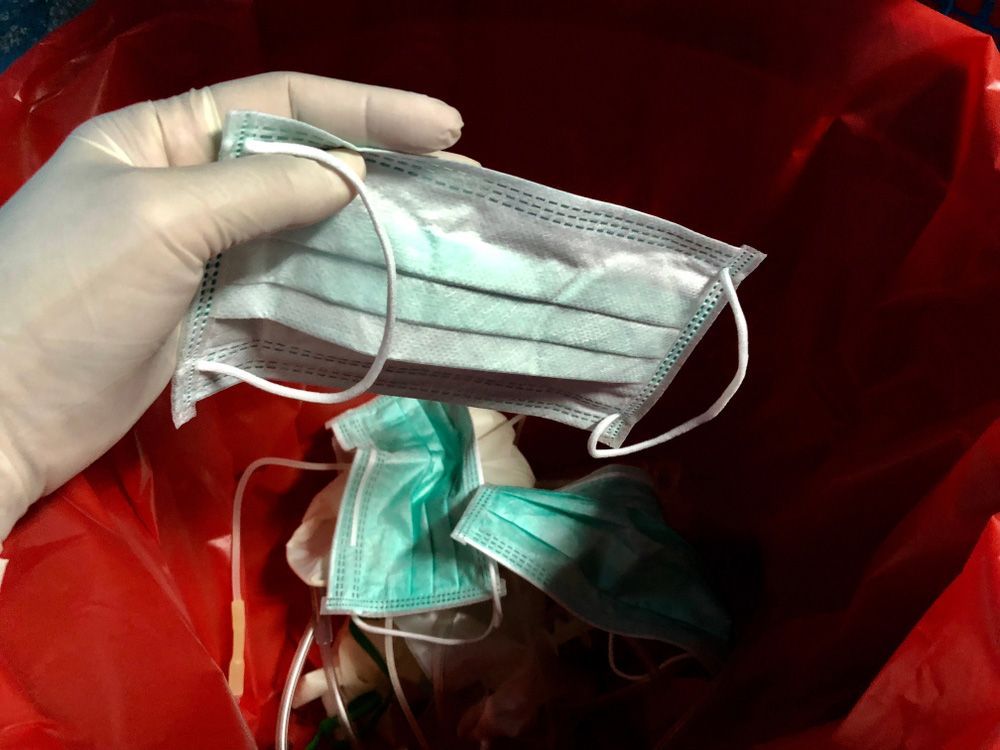
What Counts As Clinical & Related Waste
Not all healthcare waste carries the same risk. Getting categories right is the first step to compliance and safer handling.
- Clinical waste: items contaminated with blood or body fluids, sharps, swabs and single use instruments
- Cytotoxic waste: materials contaminated with cytotoxic medicines used in oncology
- Pharmaceutical waste: expired or unused medicines and controlled drugs requiring secure disposal
- Anatomical waste: identifiable human tissue requiring respectful handling
- Infectious waste: waste known or suspected to contain pathogens at levels that pose infection risk
- Related wastes: contaminated PPE, tubing and absorbent materials that do not meet infectious criteria but are not general waste
Clear segregation prevents cross contamination, reduces cost and avoids regulatory breaches.
Why Compliance Is A Business Essential
Compliance is not just about fines. It is about risk management and continuity.
- Worker safety: correct containers, labelling and transport protect staff from sharps injuries and exposure
- Public health: mismanaged waste can spread pathogens and harm sanitation workers or the public
- Environmental duty: approved treatment and disposal methods reduce pollution and groundwater risk
- Audit trail: documented collections and manifests support accreditation, insurance and incident reviews
- Business continuity: safe systems reduce incidents that trigger shutdowns or costly remediation
When auditors ask for evidence, you need more than a bin. You need records that show the right waste went into the right container and travelled with the right paperwork.
The Regulatory Picture In Queensland — What To Expect
Queensland requirements set the tone for classification, storage, transport and treatment. While details vary by licence and site, expect obligations across four areas:
- Identification and segregation: coded containers, colour standards and signage at point of generation
- Containment and storage: lidded, puncture resistant containers, secure storage areas and secondary containment for liquids
- Labelling and documentation: waste type labels, dates, generator details and consignment tracking from pickup to treatment
- Transport and treatment: licensed carriers, approved vehicles and treatment pathways suited to the waste type
A provider that knows Brisbane council requirements and state guidance will design a plan that slots into your daily workflow without constant reminders.
Common Compliance Gaps That Trigger Notices
Most breaches come from simple gaps rather than wilful neglect. Watch for these weak spots:
- Sharps containers overfilled or used for non sharps
- Bags tied incorrectly or double bagged without reason
- Unlabelled stockpiles in storerooms and plant rooms
- Doors to clinical waste holds left unlocked
- Manifests missing dates, volumes or operator signatures
- Staff using general bins during rush periods
A short site audit and toolbox talk usually fixes 80% of these issues in a week.
Building A Practical Clinical Waste Plan
A compliant program is built on routine, not heroics. Focus on three pillars: fit-for-purpose equipment, simple steps and visible training.
Equipment:
- Colour coded bins and liners sized for each room
- Wall mounted sharps units at safe reach height
- Spill kits where fluids are handled
- Lockable, ventilated storage with smooth, cleanable surfaces
Process:
- Clear point-of-use instructions with photos
- Fixed pickup schedule with surge capacity for busy periods
- Manifests logged on collection and saved to a central file
- Incident and near-miss reporting with quick follow up
People:
- Onboarding and annual refreshers
- Short on-shift huddles when rules change
- Posters at eye level, not hidden in folders
Keep it lean, visible and repeatable so new staff follow the system without guesswork.
Handling, Storage & Transport — Doing The Basics Well
Good handling reduces accidents and keeps sites inspection ready.
- Tie bags once two thirds full to prevent tearing
- Never compact clinical bags by hand
- Keep sharps containers upright and below the fill line
- Move waste on dedicated trolleys, not meal or linen carts
- Store away from public access and food areas, with floors kept dry and clear
- Ensure licensed transport arrives with clean vehicles and compatible containers
On collection day, match containers to manifests, confirm counts, then sign only when details are correct. That signature is part of your audit trail.
Treatment Pathways & Environmental Outcomes
Different wastes need different end-of-life treatments. A good provider will explain how each stream is processed and why.
- Sharps and clinical: treated to render non-infectious, then disposed according to approval
- Cytotoxic: high-control chain with specialised treatment
- Pharmaceutical: secure destruction with proof of disposal
- Anatomical: managed through approved, respectful pathways
Asking where waste goes and how it is treated is not just due diligence. It is how you confirm the chain of responsibility is intact.
Documentation & Traceability
If it is not documented, it did not happen. Keep a tidy paper trail.
- Service agreement and current licences
- Site maps showing waste points and storage
- Training records for all relevant staff
- Pickup schedule and consignment manifests
- Incident logs and corrective actions
Digital copies backed up off site protect you during audits and staff turnover.
Cost Control Without Cutting Corners
Compliance does not have to mean runaway costs. Most savings come from better segregation and right sizing.
- Keep non-risk items out of clinical bags to avoid high-rate disposal
- Use bin sizes that match daily volumes to cut liner waste and overflows
- Adjust pickup frequency by season or clinic load
- Review heavy items that should move to different streams
The cheapest option is the one that reduces rework, failed audits and injury downtime.
Risk, Reputation & Community Trust
Clinical waste is a trust marker. Patients, staff and neighbours expect careful handling and visible professionalism. A single incident can undo years of goodwill. A clean loading bay, labelled stores and confident staff send a message that safety is an everyday choice, not a marketing line.
Book Barry’s Recycling — Waste Management Brisbane
We at Barry’s Recycling help Brisbane clinics, vets and labs manage clinical waste safely with licensed collection, compliant treatment and easy record keeping. If you need a practical plan that fits your site flow, visit barrysrecycling.com to arrange a walk-through and quote. Bring your current setup and questions, and we will map a compliant program that protects your team and your community.