Where Landscaping Projects In Brisbane Go Wrong Without Proper Aggregates
Landscaping in Brisbane looks straightforward at the start. Fresh plans, neat sketches and a sense of progress always feel promising. Then the real work begins, and the strength of a project hinges on materials that most people barely think about.
Aggregates often sit low on the priority list, yet they influence drainage, stability and long-term performance across residential yards and major commercial builds. Early access to the right materials also shapes your timeline. A project that overlooks concrete aggregate in Brisbane can unravel fast, long before the plants or pavers arrive.
Landscapers, tradies and homeowners across the region face the same issue each year. Brisbane’s soil profiles shift from sandy pockets to clay-heavy sections within a few kilometres. Storm seasons deliver heavy downpours that punish poorly structured bases. Any project that skips proper aggregates ends up with washed-out pathways, slumping retaining walls or patchy turf that never settles. Understanding how aggregates shape a landscape gives every project a stronger start.
Why Aggregates Carry More Weight Than Most People Expect
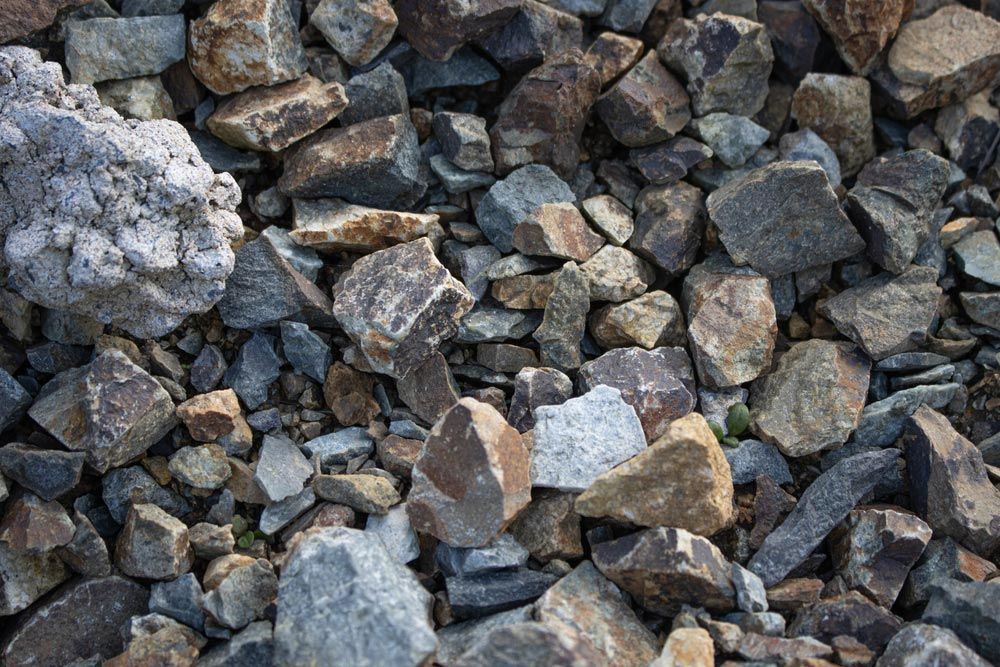
Aggregates influence almost every layer of a landscape. Beneath turf, under pavers and inside concrete blends, they provide structure and support. They also manage water movement, which matters in a region that swings between dry spells and heavy rain.
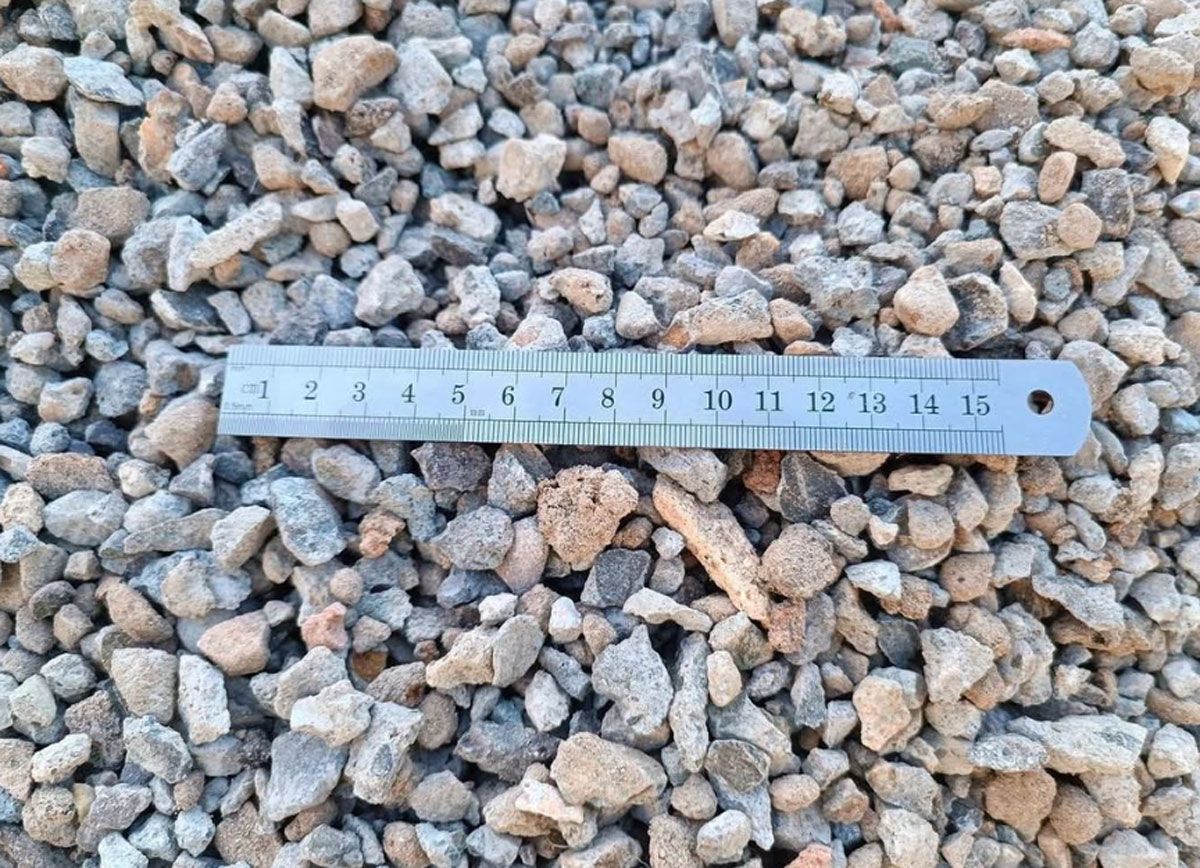
Different sizes cater to different tasks. Coarse pieces allow water to move freely. Finer blends compact tightly to form stable bases. A mismatch leads to issues that appear slowly before becoming impossible to ignore. For example, a pathway laid on a base that is too fine will compact unevenly over time. Larger pieces used in a tight space may prevent proper compaction.
In Brisbane’s subtropical climate, aggregates also help control erosion. Heavy summer storms can strip topsoil away from newly formed garden beds. A quality underlayer protects the soil beneath mulch and keeps the surface stable. Those undertaking minor home upgrades often overlook this step and end up with channels cut through gardens after the first big storm.
How Incorrect Aggregate Choices Derail Projects
Choosing the wrong material affects the performance of every surface above it. Landscapers who rush material selection often experience failures that appear as hairline cracks or dips before developing into full structural issues.
One of the most common mistakes involves using an aggregate that holds too much moisture. When placed under pavers, moisture-heavy material swells and contracts in response to temperature changes. This movement creates uneven surfaces that lift or sink across high-traffic areas. A better fit involves blends designed to compact evenly without holding excess water.
Another issue appears in retaining wall construction. These walls need materials that provide strong drainage behind the structure. If the backfill includes fines that clog, water pressure builds against the wall. Over time, this pressure pushes the structure outward. Sloped blocks in Brisbane and suburbs like Redland Bay, Yatala and Ormeau rely heavily on the correct aggregate to keep retaining walls upright during the wetter months.
Garden beds also suffer when aggregates are chosen without thought. Beds need free-draining blends to keep roots healthy. Incorrect materials can trap water for too long, creating anaerobic zones where roots rot. Plants fail gradually in these circumstances, so many homeowners don’t connect the problem to the foundation under the soil.
The Hidden Impact of Low-Quality Aggregate
Low-quality materials introduce impurities that affect compaction, drainage and durability. Contaminants, such as clay pockets or organic matter, break down over time and create weak points. These weak points turn into dips under pavers or soft patches under turf.
In concrete mixes, inferior aggregate reduces strength. Small-scale pours like footpaths might show early cracking, while larger slabs can experience structural issues that cost far more to repair than to prevent. Projects that attempt to save money with cheap blends often face the need for repeat work later.
Poor-quality material also creates visual inconsistencies. Decorative gravel with mixed colours or unwanted debris can ruin the finish of garden beds or pathways. That’s why landscapers who pride themselves on clean, crisp work rely on trusted sources to avoid these setbacks.
For those working with recycled products, quality becomes even more critical. Recycled blends offer environmental benefits but only perform well when processed correctly. Proper crushing and screening remove contaminants and produce material that meets construction standards.
Why Timely Aggregate Delivery Matters in Brisbane
Aggregate delivery can significantly impact timelines, more than many people expect. Brisbane’s warm climate often pushes landscapers to schedule work in stages, allowing materials to be laid and compacted before the next day’s heat. A delayed delivery throws the entire schedule out: labour hours get wasted, equipment sits idle, projects lose momentum. This frustration escalates on larger builds where a single delay blocks other trades from progressing.
Many suburbs across the region also have tight access. If materials don’t arrive in the right order or quantity, machinery may need to be brought back or rearranged. Every return trip adds cost. Delivery coordination helps trades keep jobs flowing without unnecessary downtime.
Weather adds a further challenge. Brisbane’s storm season demands fast action. If aggregates arrive late and an unexpected downpour hits, exposed areas can turn into muddy pits – this delays compaction work, pushes deadlines out and adds extra preparation before installations can resume.
Reliable supply – on the right day and within the right timeframe – keeps landscaping jobs running smoothly across the whole region.
Aggregates That Suit Brisbane’s Unique Landscape
Anyone working in this region benefits from understanding how local conditions shape material needs. Brisbane’s clay-heavy zones need coarse blends that prevent water from pooling. Sandy coastal pockets need materials that compact tightly to avoid shifting under heavy use. Projects near flood-prone areas often require drainage-specific blends to handle runoff.
High-strength concrete aggregate in Brisbane supports concrete features that face frequent expansion and contraction due to the heat. Pathways need blends that hold form while still allowing subtle ground movement. Turf installations rely on clean, screened soil supported by stable bases. Decorative gravel must resist fading in strong sun.
Using the right aggregate in Brisbane supports every aspect of a landscape and helps keep maintenance low.
Why Good Aggregate Choices Protect Long-Term Investment
Landscaping stands as one of the most visible upgrades on any Brisbane property. Homeowners, tradies and builders aim for finishes that stay sturdy for years. The right aggregates protect those investments by preventing structural failures.
Stable bases stop movement before it starts, while correct drainage prevents damage after storms. Quality materials allow concrete to perform as intended, and even small upgrades feel more successful when they sit on a strong foundation.
Those who focus on aggregates early experience smoother work sites, more predictable timelines and better final outcomes. That attention pays off in durability and customer satisfaction.
Any landscaping project in Brisbane gains strength from the right materials at the right time. High-quality blends keep structures stable and surfaces level across the region’s demanding climate.
Those needing expert supply have access to strong local support –
Barry’s Recycling provides dependable
aggregate delivery across Brisbane and offers guidance around the best products for each job. Anyone planning a landscape upgrade can
reach out to our team to secure high-quality materials, ask for advice and arrange fast access to
concrete aggregate in Brisbane that keeps projects moving forward.