Reducing Double Handling Of Materials On Construction Sites
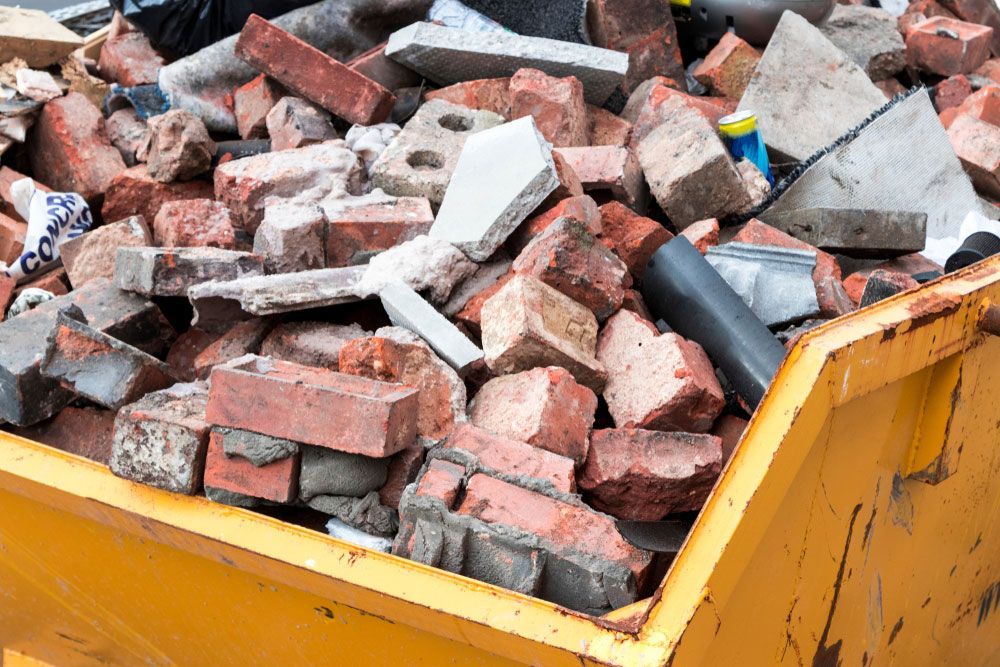
Walk onto almost any construction site and you'll see it happening: a pallet of bricks moved from the delivery zone to make way for a concrete pour, then moved again once the pour is finished, then moved a third time when the bricklayers are finally ready for them. Each shift takes time, fuel and manpower, yet the bricks end up no closer to being used than when they arrived.
This is double handling, and it's one of the quieter costs of construction work. It rarely shows up as a single line item on a budget, but it chips away at labour hours, equipment use and site safety across the life of a project. Good construction waste management and smarter material planning go hand in hand when it comes to cutting this kind of waste out of a build.
Why Double Handling Happens on Site
Double handling is usually a symptom of timing and space problems rather than poor work from any one trade. Materials arrive before they're needed, or they're delivered to a spot that later needs to be cleared for another task. Once that happens, someone has to move them, and often more than once.
Common causes include:
- Deliveries scheduled without reference to the actual build sequence
- Limited laydown areas that force materials to be relocated repeatedly
- Poor communication between suppliers and site supervisors about access windows
- Materials ordered in bulk without a clear plan for staged use
Recognising these patterns early is the first step towards designing them out of a project.
Planning Site Layout Around Material Flow
A site layout that hasn't been thought through in relation to material flow will almost guarantee repeated handling. Storage areas, access roads and work zones need to be mapped against the sequence of construction activities, not just squeezed into whatever space is left over.
A few practical adjustments can make a noticeable difference:
- Position material storage as close as possible to where it will be used
- Keep access routes clear so deliveries can go directly to the point of use
- Separate storage zones by trade or stage to avoid materials blocking each other
- Review the layout at each major phase change, since space needs shift as the build progresses
Sites with tight footprints, such as inner-city commercial builds, benefit particularly from this kind of forward planning, since there's less room to absorb inefficient movement.
Scheduling Deliveries to Match the Build Program
Just-in-time delivery is one of the most effective tools for reducing double handling, provided it's genuinely tied to the build program rather than treated as a rough guideline. When materials turn up exactly when they're needed, there's no reason to store and later reposition them.
This approach works best when:
- Delivery windows are locked in against specific milestones in the schedule
- Suppliers are given enough lead time to meet tighter windows reliably
- Site teams confirm readiness before materials are dispatched
- Contingency buffers are built in for weather or trade delays, without defaulting to early bulk deliveries
Getting this right takes coordination, but it removes a significant source of unnecessary movement before it starts.
Storage Systems That Keep Materials Ready to Use
Even with good scheduling, some materials need to be stored on site for a period. How they're stored affects whether they need to be moved again before use. Poorly organised storage often means materials get shifted simply to locate or access what's underneath or behind them.
Effective storage practices include:
- Labelling and organising materials by trade, stage or location of use
- Using stackable or modular storage systems where possible
- Keeping frequently used items accessible without needing to move other stock
- Reviewing stock levels regularly so materials don't sit longer than necessary
A well-organised laydown area also makes it easier to spot materials that are at risk of damage or that need to be relocated before their handling becomes urgent.
Coordinating Suppliers, Subcontractors and Site Teams
Double handling often stems from a communication gap rather than a physical one. When suppliers, subcontractors and site teams aren't working from the same information, materials end up in the wrong place at the wrong time, and someone has to correct that manually.
Improving this coordination involves:
- Sharing an updated build program with all suppliers and trades, not just internal teams
- Holding regular short coordination meetings during busy phases
- Confirming delivery details in writing to avoid last-minute surprises
- Assigning a single point of contact for site access and delivery timing
Clear communication reduces the number of decisions made on the fly, which in turn reduces the number of times materials get moved without a clear purpose.
Using Technology to Track Materials and Movement
Technology won't eliminate double handling on its own, but it does make the problem easier to see and manage. Tracking tools give site teams visibility over where materials are, what's arrived, and what's still outstanding.
Options worth considering include:
- Digital delivery tracking linked to the build schedule
- Barcode or RFID tagging for high-value or frequently moved materials
- Site management software that flags storage conflicts before they occur
- Shared digital calendars for delivery slots and access windows
For larger or multi-trade sites, this kind of visibility often makes the difference between materials being handled once and materials being handled several times.
Construction Waste Management and Its Role in Reducing Rework
Efficient construction waste management isn't only about removing rubbish at the end of a job. When waste and recycling services are planned alongside material deliveries, sites avoid the common trap of stockpiling offcuts, packaging and surplus materials in areas that later need to be cleared and relocated. Scheduled bin collections, on-site sorting and clearly defined waste zones mean that waste doesn't compete with usable materials for space, which reduces the need to shift either one unnecessarily.
Coordinating skip placement and collection frequency with the build program is a practical way to keep material flow and waste flow working together rather than against each other.
Safety and Cost Benefits of Reducing Unnecessary Movement
Beyond time and labour, unnecessary material movement carries safety implications. Every extra lift, shift or relocation is another opportunity for manual handling injuries, forklift incidents or damage to materials and equipment.
The benefits of minimising this movement include:
- Fewer manual handling tasks, lowering the risk of strain and injury
- Reduced congestion around site access points and walkways
- Lower equipment hire and fuel costs from repeated machinery use
- Less material damage from repeated handling and relocation
These outcomes tend to compound over the course of a project, particularly on larger sites where inefficiencies are magnified across multiple trades and stages.
Bringing It Together on Site
Reducing double handling isn't about one dramatic change but a series of smaller, practical adjustments to layout, scheduling, storage and communication. When these elements work together, and when construction waste management is factored in as part of the overall material flow rather than an afterthought, sites run more smoothly, safely and cost-effectively from start to finish.
Contact Us About Your Next Project
We at Barry's Recycling work with builders, contractors and site managers across Brisbane to plan waste collection schedules that fit around delivery timelines and build programs, helping to free up space and reduce unnecessary material movement on site. If you're planning an upcoming project and want to talk through skip placement, collection frequency or general waste coordination for your site, get in touch with our team and we can work out an arrangement that suits your build.
Frequently Asked Questions